 Skip to content


We provide various types of vacuum suction cups for the printing industry and for handling IML labels. We offer original suction cups from European manufacturers at attractive prices, including our own vacuum range under the Everson brand. Only original suction cups that have passed a series of tests and whose design and materials have been engineered for specific types of applications guarantee proper operation. Our long-standing partnership with leading manufacturers of vacuum components provides our customers not only with access to special prices, but also to specialized training, technical and organizational consultancy, and custom service support.
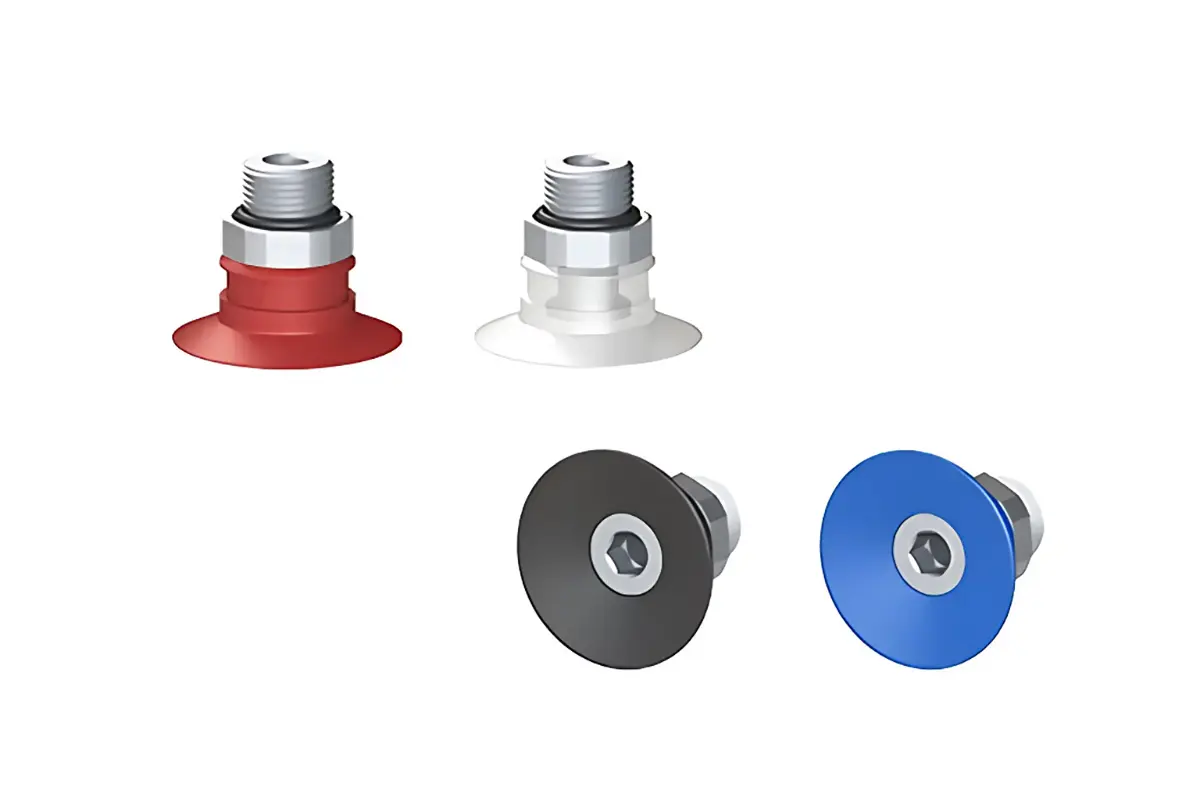
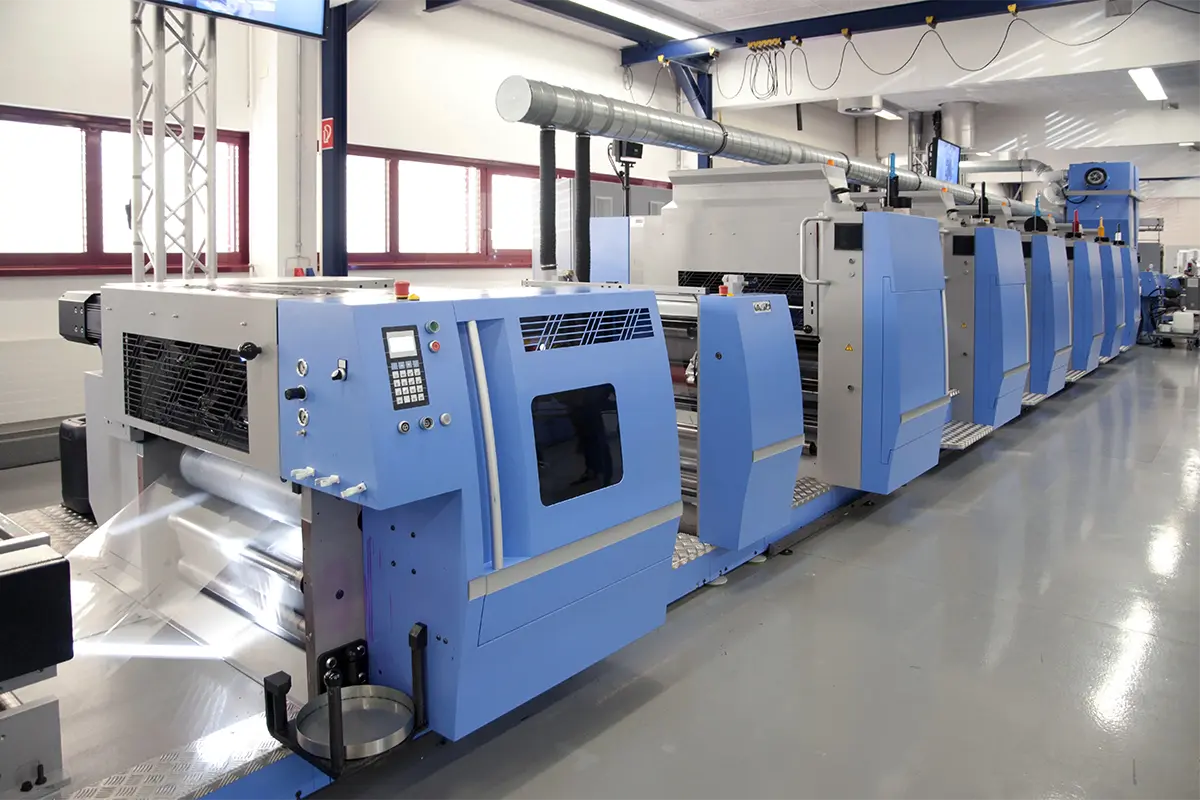
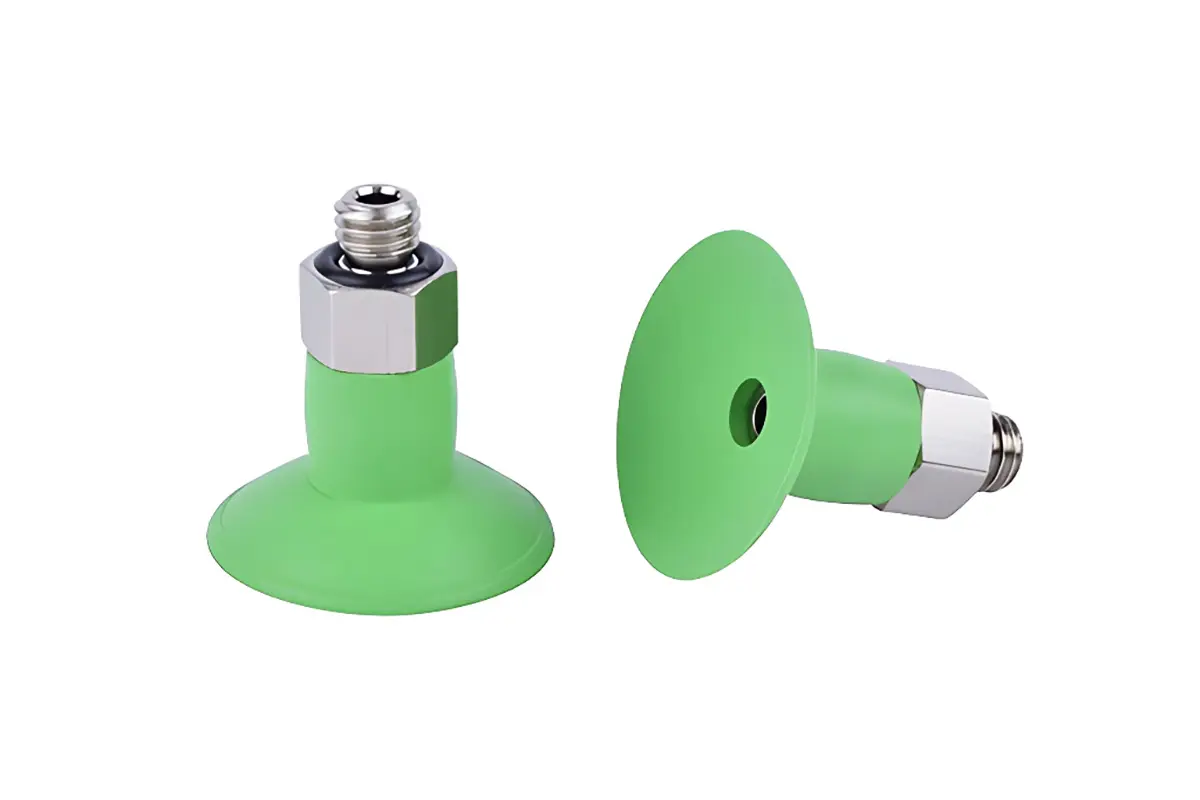
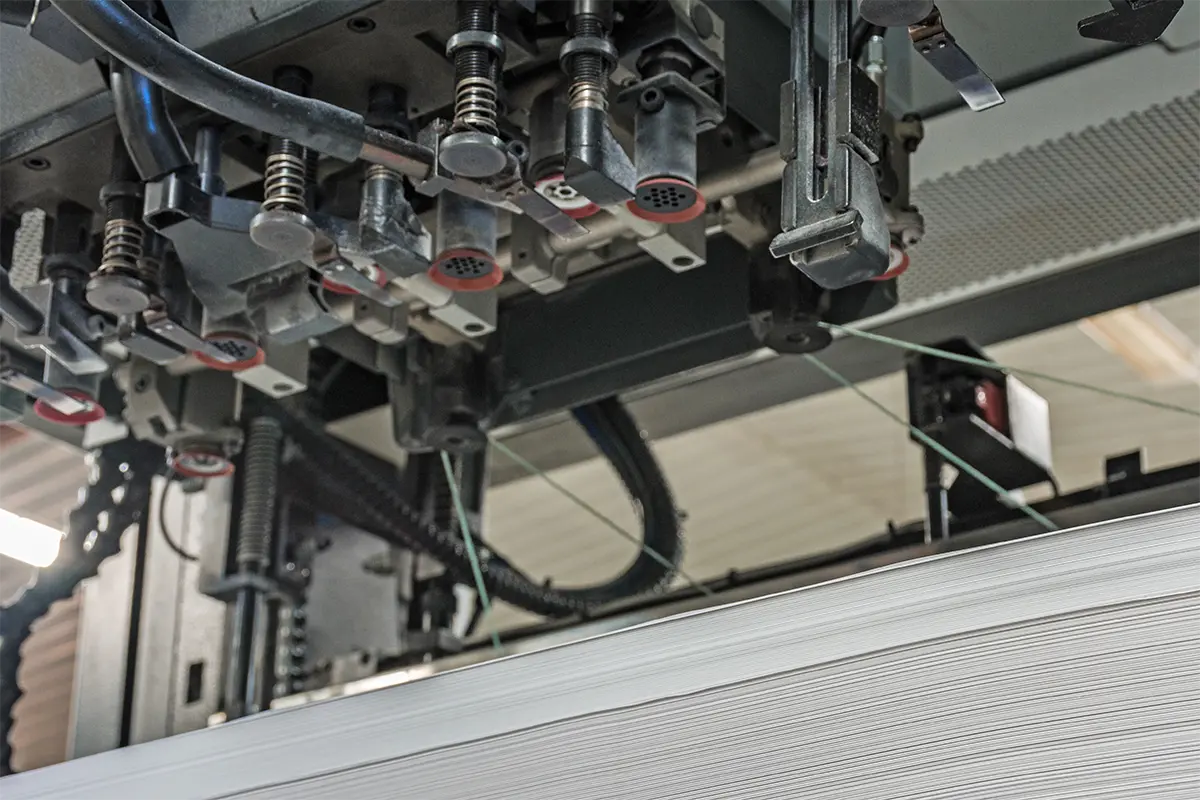
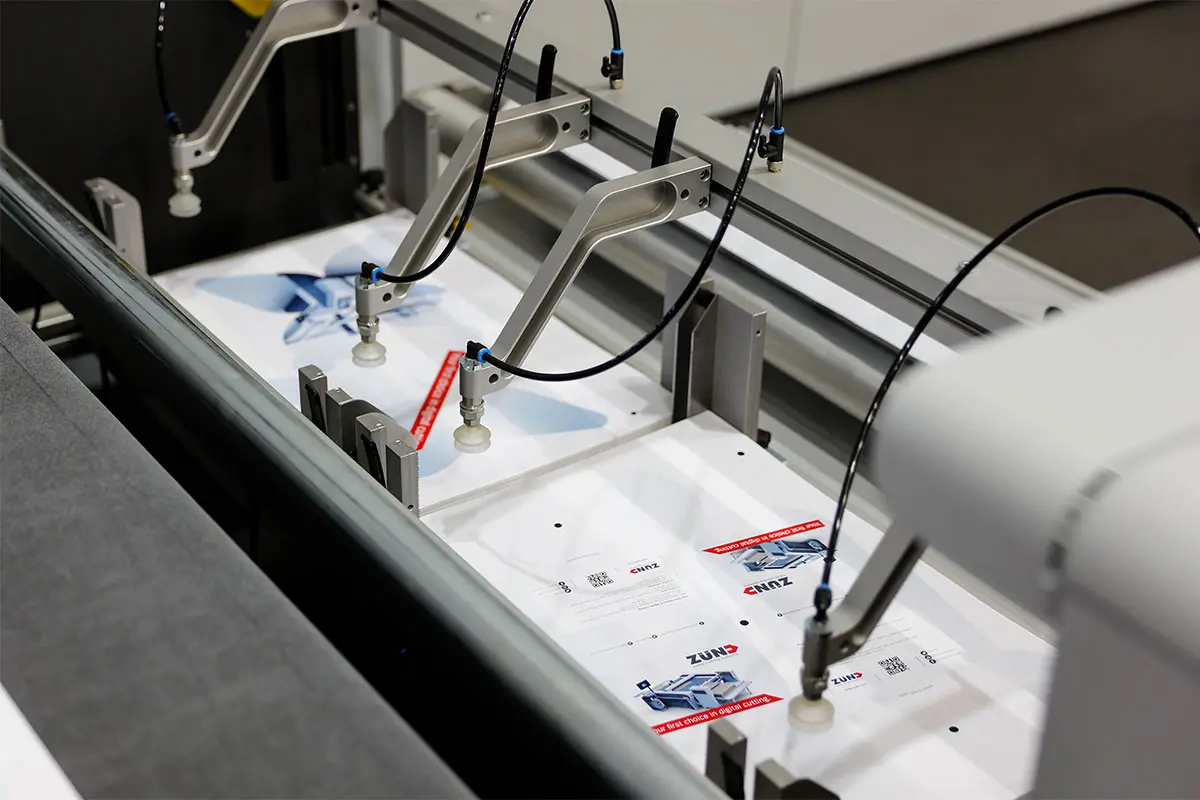
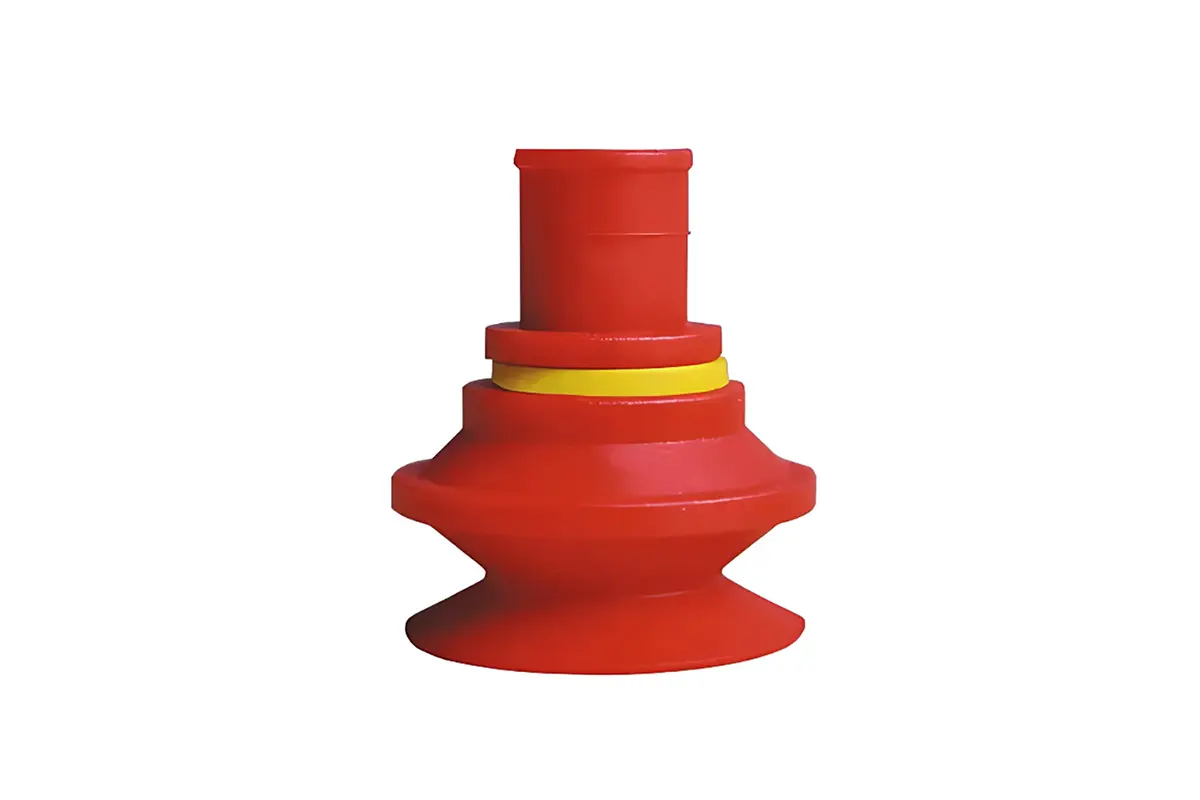
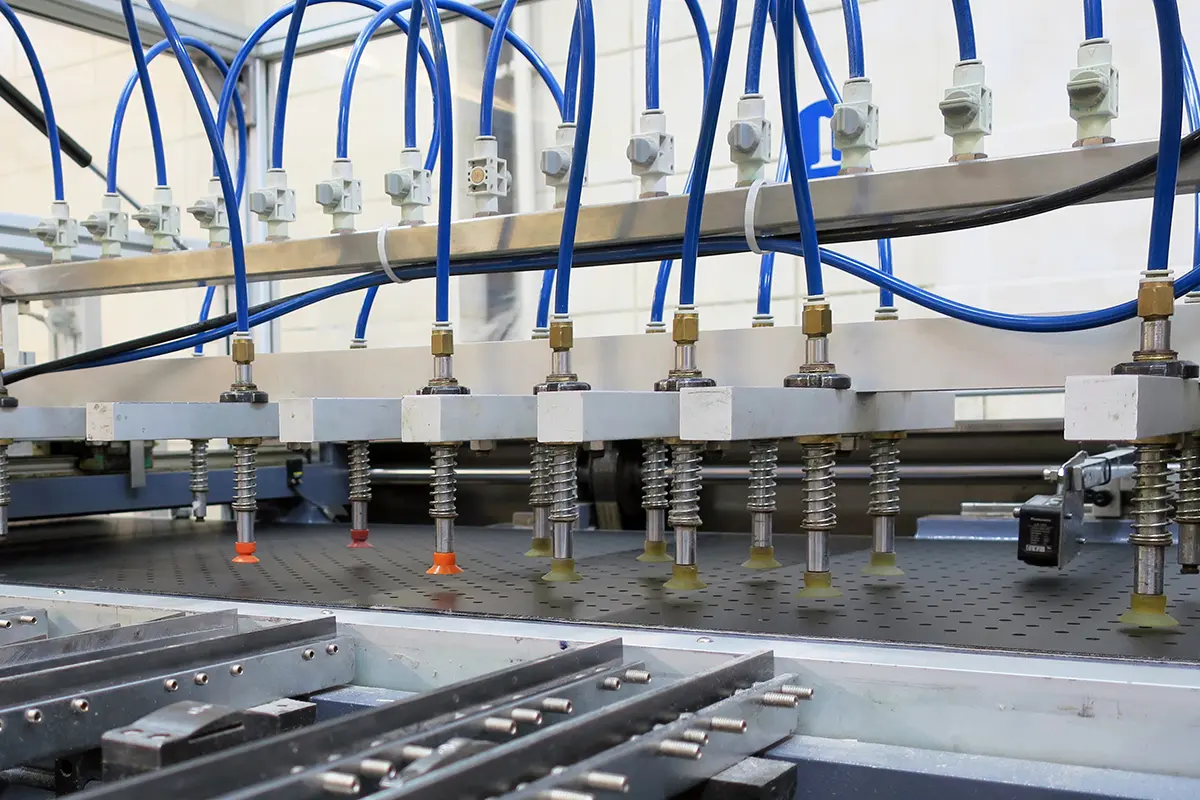
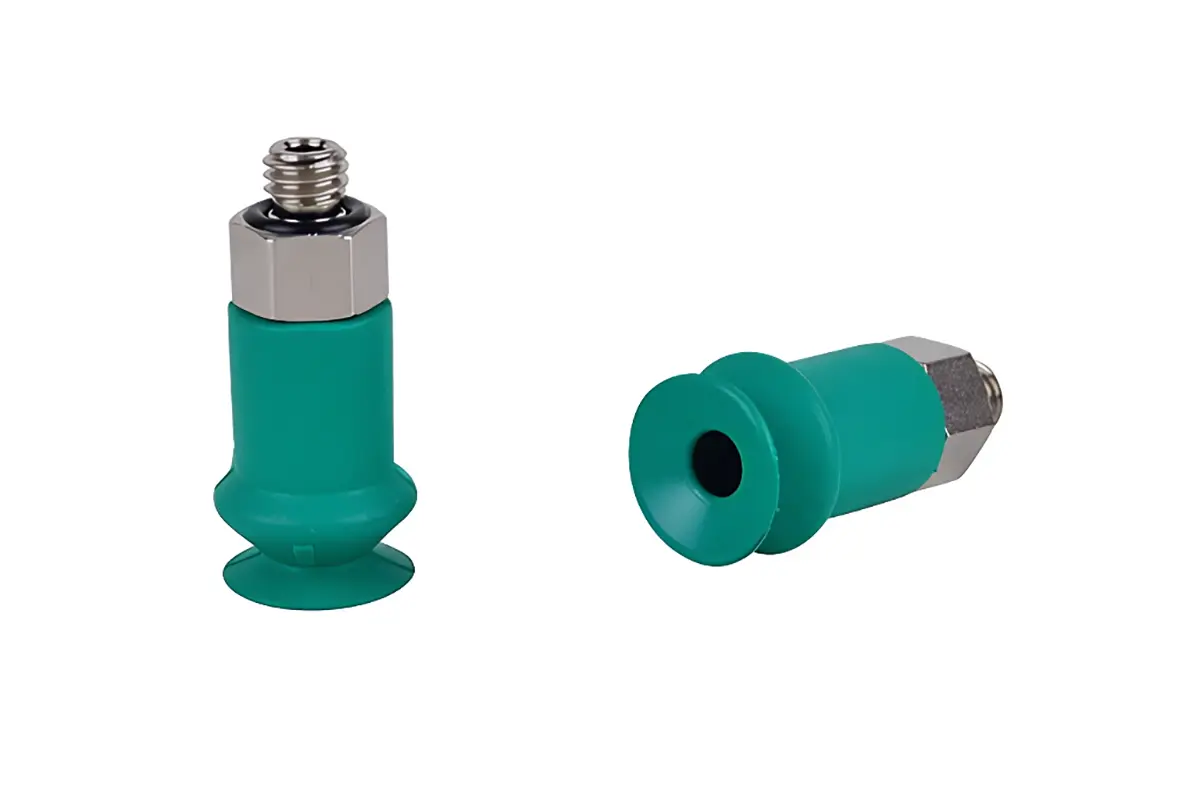
We have the largest selection of suction cups for printing and IML labels in Poland. It is impossible to present it in its entirety on the website or in a catalog format.
Tell us or write to us which vacuum suction cups you need, and we will provide them at an attractive price.
Vacuum suction cups for printing and labeling (including IML — in-mold labeling) are designed to pick up thin, flexible, and often coated materials securely and without damage. Typical challenges include low weight of an individual label, low stiffness, tendency to curl, sensitivity to creasing, and static — therefore, the design of suction cups for these tasks focuses on: a very flat sealing edge, even vacuum distribution, and minimal point force.
Materials and designs recommended for IML label suction cups.
- Silicone (soft VMQ, extra-flat) — provides high lip flexibility and good sealing for very thin labels; often used in specialized label models.
- TPU / polyurethane in mark-free versions — an alternative for surfaces where cleanliness and lack of marks are critical; these materials are less prone to “blooming” than standard rubber compounds.
- Antistatic / conductive materials — where there is a high risk of electrostatic discharge, it is advisable to choose compounds with controlled resistance.
Examples of vacuum suction cup types used in printing:
- Extra-flat suction cups (very thin, low-profile) — for gripping individual labels and films; they minimize point pressure and enable stable suction of thin elements.
- Small micro suction cups / Ø10–Ø20 mm — used in high-frequency systems and label sorting machines.
- Multi-cavity mats and strips — for simultaneous handling of modules with applied labels or sheets with multiple labels; they allow for even vacuum distribution and reduced local deformation.
Examples of best practices for integration in IML and printing lines
- Precise vacuum control and zoning — using distribution valves and vacuum zones allows for the delicate gripping of subsequent elements without picking up unintended areas.
- Minimization of the migration coefficient from the suction cup material — choosing formulations with low plasticizing oil migration prevents the transfer of compounds onto the label surface.
- Grounding and ESD-safe design — in processes where electrostatic charges affect material positioning, conductive elements and vacuum sensors are integrated.
Selection criteria — engineer's checklist
- Label thickness and stiffness → choose extra-flat or micro suction cups.
- Surface and coating (coated, lacquered) → choose non-marking TPU or low-migration silicone.
- Process environment (ESD/cleanroom/food contact) → use materials and certificates appropriate to the requirements (e.g., FDA/EC1935/2004).
- Cycle frequency and line speed → micro suction cups and low internal volume for high cycle rates.
In the case of printing and IML (in-mold labeling) labels, operational conditions often require very fast action. Therefore, in many applications within this category, suction cups designed specifically for high-speed cycles are used.
